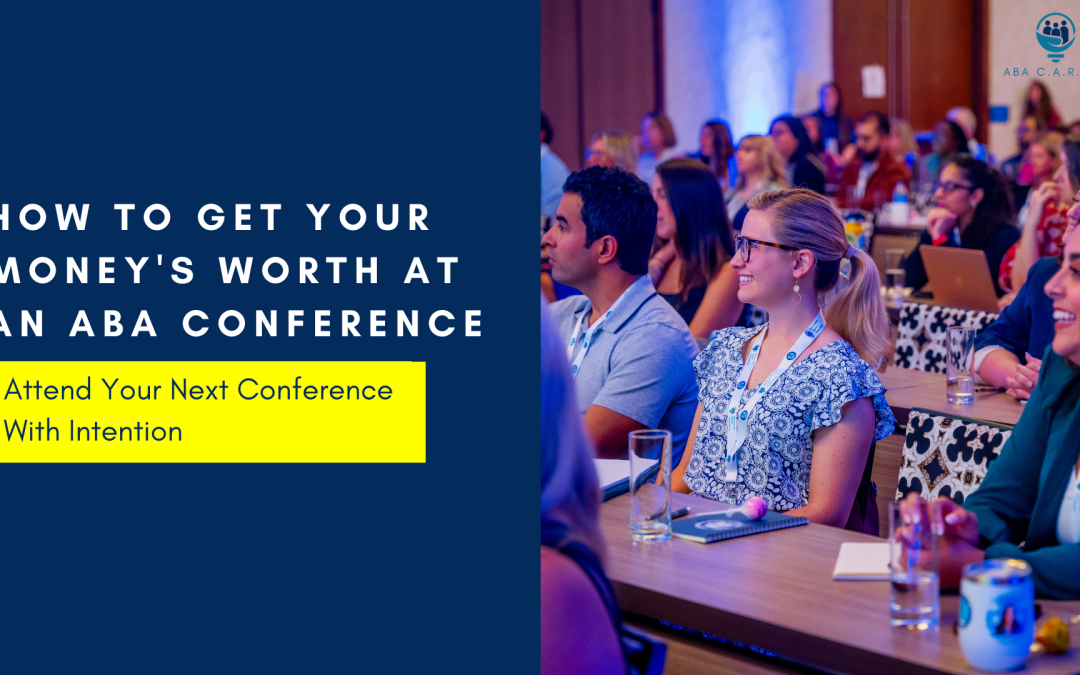
Most people attend conferences without a plan. They try to see everything. They leave exhausted, behind on emails, and not quite sure what they got out of it beyond inspiration and photos for LinkedIn.
The people who leave with a real return on their investment decide what they need and how they’ll show up before they ever get there.
Before You Touch the Schedule, Answer This
The schedule doesn’t tell you what to attend. Your answer to one question does: what needs to be different when you get home? Write it down before you arrive. That’s your north star.
Build Your Day Around Three Types of Sessions
The stretch. Something outside your lane — a topic you don’t know well, a track you don’t usually sit in. It will feel like a risk. It rarely is. This is the session you’ll still be chewing on three weeks from now, and the one most likely to change how you think rather than just what you know.
The tool. Immediately, embarrassingly practical. The kind where you’re already writing the Monday morning email before the speaker finishes the slide. One tactical session per day is what separates people who leave energized from people who leave inspired but fuzzy. Inspiration without application is just a really good nap.
The collaborator. The session for the people you work alongside every day but rarely sit next to. Clinical leadership? Go hear what HR and talent acquisition are navigating. HR or recruiting? Go find out what’s keeping clinical leadership up at night. The field gets better when we understand each other’s work, not just our own. Bring home something that makes you a better colleague, not just a better clinician or recruiter.
Six sessions with intention beats twelve on autopilot every time.
The Prep That Actually Pays Off
Read the abstracts before you arrive. Download the BehaviorLive app if the event uses it. It’s built specifically for ABA conferences and worth having on your phone before you walk in the door.
Know who you want to connect with before you arrive — speakers, sponsors, other attendees. Find them on LinkedIn and send a note ahead of time. Let them know you’ll be there and what you’re hoping to talk about. It takes five minutes and almost nobody does it. The ones who do rarely have to introduce themselves cold.
Get to sessions a few minutes early. Seating is first-come, first-seated at most conferences and the front fills fast. But more than that — the two minutes before a session starts are some of the best networking of the day. The person next to you chose this session for a reason. So did you. That’s already something in common.
If you’re attending the ABA C.A.R.E.S. Summit specifically — listen to the pre-recorded conversations with the speakers before you get to Boston. They’re not previews. They’re the foundation for what each speaker is bringing into the room. You’ll understand the context, catch their vibe, and if you’re choosing between two sessions in the same time slot, this is what helps you decide. Link coming soon to all attendees.
The Permission Slip
You will not attend every session. You’re not supposed to.
The people who get the most out of ABA conferences aren’t the ones who saw the most content. They’re the ones who stayed for the conversation after, sat with an idea instead of racing to the next room, had one hallway exchange that quietly rewired something.
You left your clients, rearranged your schedule, and invested real money to be there. Make it mean something — not by doing more, but by doing less with more intention.
Go deep on a few things. Let the rest go.
Holli Beth Clauser is the founder of ABA C.A.R.E.S. Staffing LLC, host of The People Contingency podcast, and organizer of the annual ABA C.A.R.E.S. Summit. With 21+ years in the field and over 1,000 BCBA interviews conducted, she works with ABA organizations on building strong recruiting teams and operations. Learn more at abacaresstaffing.com.